Order allow,deny Deny from all When to Visit the Smoky Mountains: Best Times
best time to visit smoky mountains

I’ve lived in the Appalachian region my whole life. I’ve seen the Great Smoky Mountains National Park change with the seasons. From spring wildflowers to fall colors, it’s always beautiful. But some times are better than others to visit.

Looking for mild weather, blooming flowers, or wildlife? The Great Smoky Mountains has it all. This guide will help you plan your trip. We’ll cover what makes each season special.

Key Takeaways

  • The Great Smoky Mountains National Park is the most visited national park in the United States, attracting over 10 million visitors annually.
  • Spring and fall are widely considered the best times to visit the Smokies, offering mild weather, blooming landscapes, and fewer crowds.
  • Summer is the busiest season, with high temperatures and humidity, while winter can be magical but with unpredictable weather and potential road closures.
  • The park covers over 520,000 acres along the Tennessee-North Carolina border, providing year-round enchanting settings for outdoor enthusiasts.
  • Regardless of the season, the Smoky Mountains offer a wealth of activities, from hiking and wildlife viewing to zip-lining and whitewater rafting.

Explore the Best Seasons to Visit the Great Smoky Mountains

The Smoky Mountains are a stunning sight all year. But some seasons are better than others. Let’s look at the beauty of spring and summer in this amazing national park.

Spring Beauty: Wildflowers and Newborn Wildlife

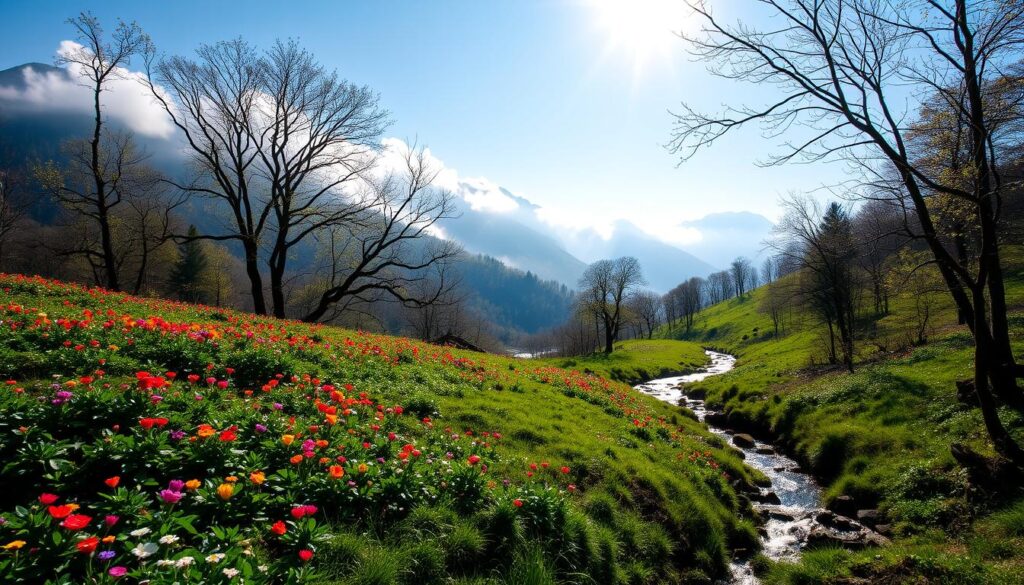
When the Smoky Mountains wake up from winter, they show off with wildflowers and newborn wildlife. From late February to April, the lower parts of the park are filled with colorful wildflowers. Higher up, the flowers bloom a bit later, making a beautiful show.

This is a great time to see bears, elk, and other young animals. They come out of their dens in spring. Places like Cataloochee and Cades Cove are perfect for wildlife watching.

Escaping Summer Crowds: Tips and Tricks

Summer is the busiest time in the Smoky Mountains. But, you can still find quiet spots. Try the backcountry trails or less busy parts of the Appalachian Trail. Start your hikes early to avoid the crowds.

Booking a tour with a local guide is a smart move. They can show you hidden spots and teach you about the park. With some planning, you can enjoy the Smoky Mountains without the summer rush.

Smoky mountains spring

Best Time to Visit Smoky Mountains: Spring (March - May)

The Smoky Mountains are a true gem, and spring is one of the best times to visit. The weather is mild, and there are fewer crowds than in the summer. This makes spring an ideal time to explore the park’s natural wonders.

Mild Weather and Fewer Crowds

Spring in the Smoky Mountains brings daytime temperatures from the 60s to 70s. This is perfect for outdoor activities like hiking and wildlife watching. Even the park’s lower elevations can see temperatures in the 90s on hot days, but the higher elevations stay cooler.

Spring means fewer visitors, offering a more peaceful experience. It’s the perfect time to explore hidden trails and scenic vistas without the crowds.

Wildflower Bloom and Wildlife Watching

Spring in the Smoky Mountains is a feast for the eyes, with over 1,500 flowering plants blooming between March and June. The park turns into a colorful tapestry, from early spring ephemerals to late rhododendrons.

Wildlife watching is also exceptional in spring. You can see newborn elk in Cataloochee, white-tailed deer, and black bears as they come out of their dens. The park’s 730 miles of fishable streams are also great for trout fishing, as the fish are more active.

smoky mountains spring wildflowers

Spring is the perfect time to visit the Smoky Mountains for a peaceful escape or a nature-filled adventure. It’s a chance to immerse yourself in the park’s incredible biodiversity.

Summer in the Smokies (June - August)

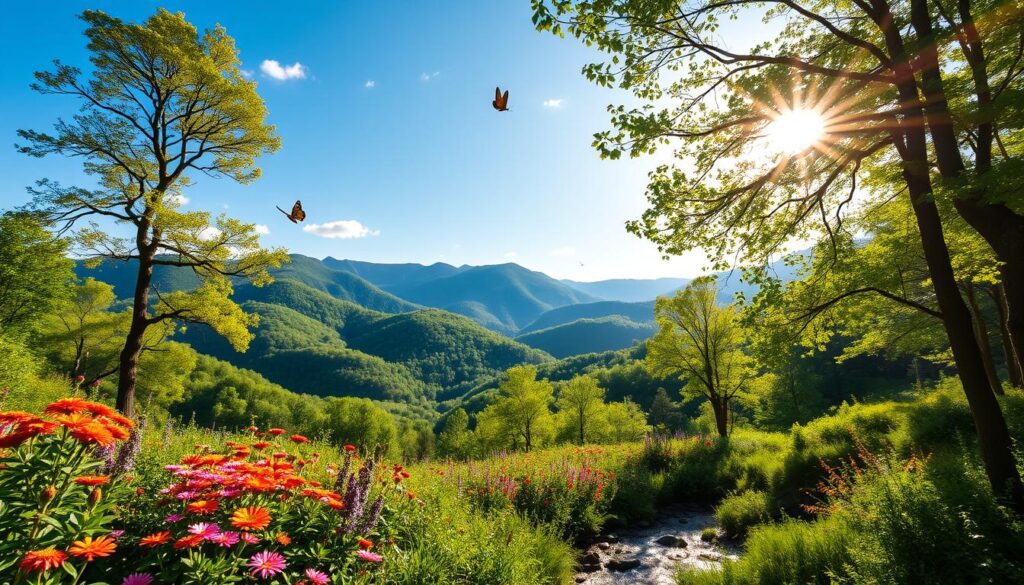
The smoky mountains summer is the peak time to visit the Great Smoky Mountains National Park. July is the busiest month. The warmer months bring blooming wildflowers and the chance to see synchronous fireflies. However, the smoky mountains summer weather can be challenging.

Afternoon temperatures often hit over 90 degrees Fahrenheit. The high humidity makes it feel even hotter. Haze is common, reducing the park’s famous views. Visitors must also watch out for mosquitoes and ticks, which are more active in the heat.

To avoid the heat and crowds, plan your smoky mountains summer activities early. Hiking is best in the morning before thunderstorms hit.

Smoky Mountains Summer AttractionsVisitor Statistics
Over 100 backcountry campsites for backpackingGreat Smoky Mountains National Park is the most visited park in the U.S. during the summer months
Cades Cove Loop Road closed to vehicles on Wednesdays and Saturdays for bicyclingThe park received over 12 million visitors in 2020, making it the most visited national park
Kayaking and rafting opportunities on the park’s rivers and lakesThe Smoky Mountains is dubbed the “Wildflower National Park” with over 1,500 flowering plant species
Ranger-led programs and guided hiking/backpacking adventuresSummer is the busiest time, with July being the peak month for visitors

Despite the challenges, the smoky mountains summer is full of opportunities. Outdoor enthusiasts can enjoy the park’s beauty and activities. With planning and a desire to explore, visitors can have a memorable experience.

smoky mountains summer

Fall Foliage Splendor (September - November)

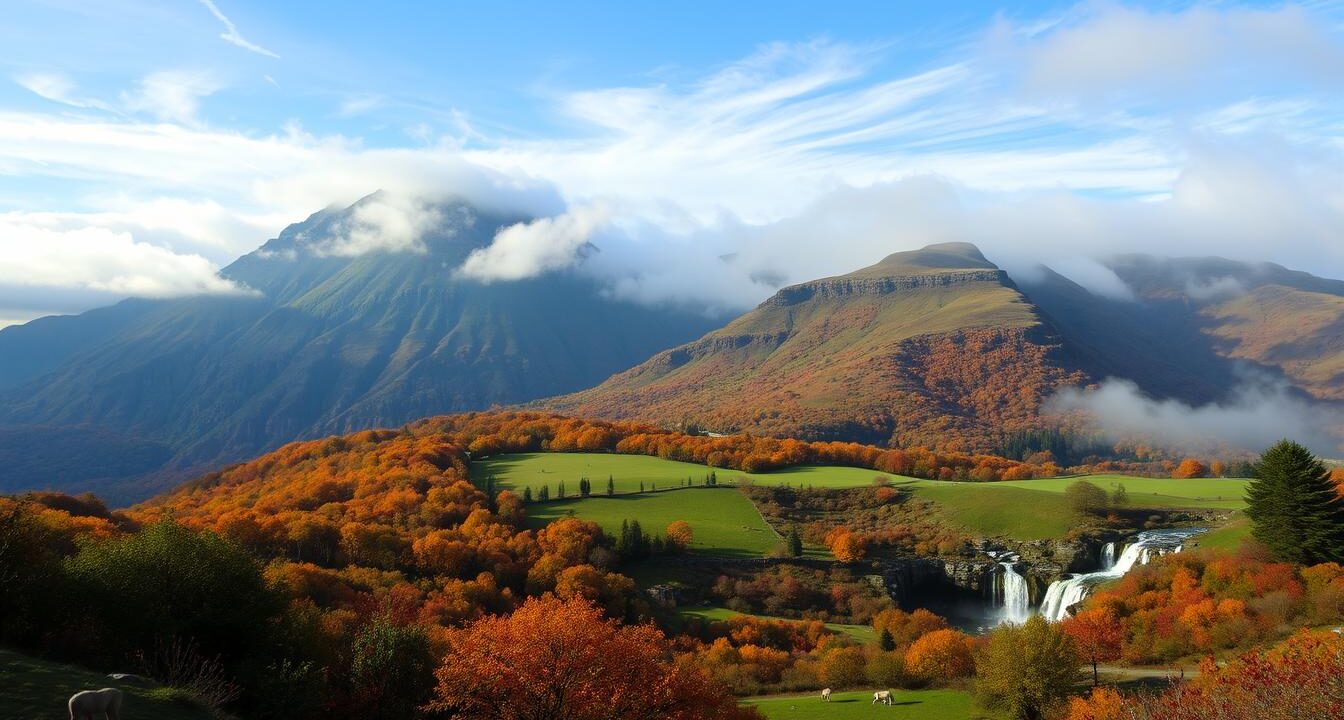
The Smoky Mountains shine with smoky mountains fall colors in autumn. From mid-September to early November, the landscape turns into a colorful mix of reds, oranges, and golds. The weather is cooler, with temperatures dropping from the 80s to the 50s. This makes the smoky mountains fall weather more comfortable.

Autumn Colors and Pleasant Temperatures

In the smoky mountains fall foliage, you might hear elk bugling or see them fighting. The area’s harvest festivals and apple orchards add to the autumn beauty. However, October is very busy, so September or November might be better to see the smoky mountains fall without the crowds.

ElevationBest Time for Fall Colors
High Elevations (above 4,000 ft)Mid-October
Lower Elevations (below 3,000 ft)Late October to Early November

The Foothills Parkway is a colorful drive with hills showing off reds, oranges, and golds in October. Clingmans Dome, the highest point, offers a 360-degree view of the mountains. Trails like the Alum Cave and Oconaluftee River Trail show off the autumn beauty.

“The autumn foliage in the Smoky Mountains typically persists into early to mid-November.”

Looking for a drive, a hike, or fall festivities? The Great Smoky Mountains offer an unforgettable autumn experience.

Winter Wonderland (December - February)

The Smoky Mountains transform into a magical winter during the colder months. The weather can be unpredictable, and roads might close. But, those who face the cold are rewarded with a beautiful landscape covered in smoky mountains snow.

The smoky mountains winter weather is always changing. Lower areas might be in the 50s, while the tops get heavy snow and ice. This makes the temperature drop by up to 30 degrees from the foothills to the peaks, offering a unique smoky mountains winter experience.

For those who love adventure, the park has lots of smoky mountains winter activities. You can ski, snowshoe, or hike to places like Laurel Falls. The quiet off-season means fewer people and a chance to see wildlife, like bears, which often have their babies in winter.

Even though some spots, like Clingmans Dome, might be closed, the park’s visitor centers are open. They have cultural exhibits and educational programs for those wanting to dive into the smoky mountains winter scene.

Smoky Mountain Weather Patterns and Top Activities

The Great Smoky Mountains National Park is a four-season wonderland. It offers many outdoor activities all year round. The park’s weather changes a lot because of its high mountains. Temperatures can drop by 10-20 degrees from the bottom to the top.

Spring and summer have lots of thunderstorms. Winter brings heavy snow at the higher parts. Always check the weather and trail conditions before going out.

Spring and fall are the best times for smoky mountains hiking and smoky mountains backpacking. The weather is nice, and there are fewer people around. Spring has beautiful wildflowers, and fall has stunning colors.

Summer is great for smoky mountains biking, smoky mountains rafting, and smoky mountains fishing. You can swim in cool spots or see lots of wildlife and birds.

Winter is quiet and peaceful. It’s a good time for snowshoeing or skiing. Or just enjoy the park’s snowy beauty.

The Great Smoky Mountains National Park is always exciting. It’s a place where you can enjoy nature and make memories that last a lifetime.

Conclusion

The Great Smoky Mountains National Park is a treasure trove of experiences all year round. Spring brings vibrant wildflowers and newborn animals. Autumn offers stunning foliage and mild weather. Winter turns the park into a serene wonderland.

Choosing the best time to visit depends on what you love. The park’s varied landscapes and wildlife make it a favorite. It’s the most visited national park in the U.S., attracting nearly two-thirds of the country’s population within a day’s drive.

When planning your trip, think about the weather, crowds, and activities you want to do. Each season has its own charm. So, get ready to make unforgettable memories in this natural paradise. Pack your bags, put on your hiking boots, and explore the Great Smoky Mountains’ beauty.

FAQ

What is the best time of year to visit the Smoky Mountains?

Spring and fall are the best times to visit the Smoky Mountains. Spring offers mild weather and beautiful wildflowers. Fall brings stunning colors and comfortable temperatures.

What is the weather like in the Smoky Mountains?

The weather in the Smoky Mountains changes a lot due to the mountains’ height. Temperatures can drop by 10-20 degrees from the bottom to the top. Spring and summer have thunderstorms, while winter gets heavy snow at higher places.

What are the best activities to do in the Smoky Mountains?

There are many activities in the Smoky Mountains, like hiking and wildlife watching. The best ones depend on the season and what you like. Popular activities include scenic drives, visiting historic cabins, and seeing the fall colors.

How do the seasons differ in the Smoky Mountains?

Each season in the Smoky Mountains is special. Spring has blooming flowers and new animals. Summer is busy with hot weather. Fall is known for its colors and elk mating. Winter is quiet and beautiful.

How can I avoid the crowds in the Smoky Mountains?

To avoid crowds, visit in spring or fall. Explore less busy areas and start hikes early. Weekdays are less crowded than weekends. Guided tours can also help.

Leave a Reply

Your email address will not be published. Required fields are marked *